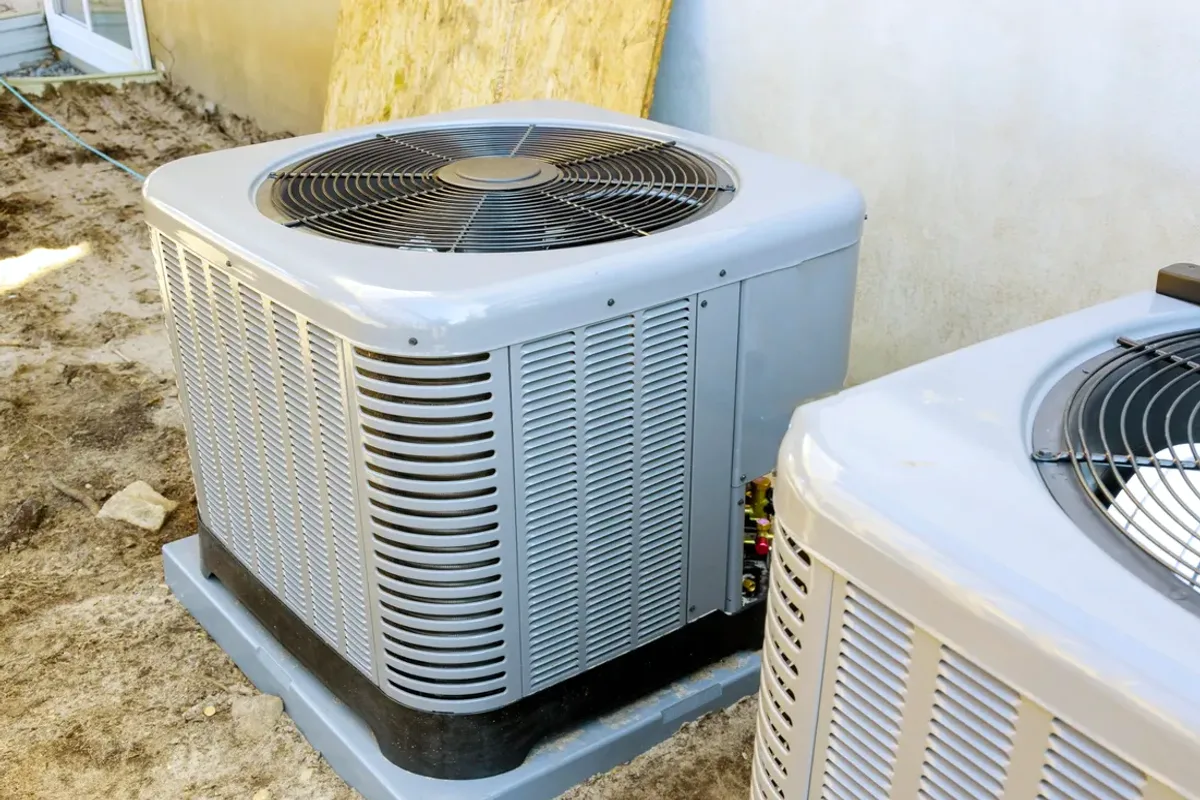
Prepare a home AC repair request in Kitchener. Note whether the central or ductless system starts, moves air and cools. Use the inspection questions below to compare the findings and proposed work.
What details help identify an air conditioner fault?
An air conditioner that will not start, blows warm air, cools unevenly, or makes an unusual sound can have an electrical, airflow, refrigerant, coil, or control fault. Note which indoor areas are affected and whether the system's fan and outdoor unit behave differently; those observations help narrow the inspection. Central air and ductless equipment have different airflow paths and components, so the model and system type shape the diagnosis. Repair and replacement are separate decisions informed by inspection findings.
Assessment compares the reported cooling pattern with system operation, airflow, coils, controls, and relevant electrical readings. For central air, duct condition and airflow distribution may matter; for ductless equipment, the indoor head and outdoor unit are assessed as a connected system. Refrigerant circuit work requires appropriate service procedures. The equipment model, repair history, and confirmed fault help define whether repair or replacement merits consideration.
Central air and ductless cooling symptoms
Airflow, coils, refrigerant, and electrical faults
Repair-versus-replacement assessment
Assessment and Scope
Questions for the Proposed Work
01
Distinguish airflow from cooling-system faults
Warm air or weak cooling does not identify one cause by itself. A restricted filter or airflow problem can affect a coil, while a failed capacitor or contactor can prevent equipment from starting as expected. Compressor symptoms involve a different and potentially more extensive assessment. The observations that matter include whether the indoor fan runs, whether cooling is even, and whether the problem affects central ducts or a particular ductless head.
02
Treat refrigerant and coil findings as diagnostic evidence
Coil condition, airflow, operating readings, and signs of leakage help determine whether a refrigerant-circuit issue is present. Refrigerant should not be treated as a routine top-up: a confirmed problem requires investigation of its cause and service appropriate to the equipment. Central systems also warrant attention to relevant duct airflow, while ductless systems require assessment of their lines and indoor units. Findings should explain the proposed repair rather than rely on a symptom alone.
03
Compare repair with replacement using the fault
A control or electrical component fault may leave a system suitable for repair, whereas a major compressor problem can change the repair-versus-replacement comparison. Age is only one factor; condition, prior repairs, parts availability, system type, and the confirmed scope of work also matter. Ask which tests support the diagnosis and whether other components are affected. A replacement discussion should account for the existing central duct system or ductless installation rather than assume they are interchangeable.
Compare the next step
Define the desired conditions in the added room when its doors are closed and the original rooms are occupied. Ask whether the proposal restores cooling equipment, changes distribution, or supplies a separate zone. Have the designer explain why that approach fits the room instead of simply increasing outdoor-unit capacity.
Do not open electrical panels or handle refrigerant. If ice, water near electrical equipment, or abnormal operation is present, stop using the affected system and request an assessment.