Request furnace repair for a property in Kitchener. Include the equipment, the problem or planned work, and your location so the request can be reviewed.
What should I note before requesting furnace repair?
A furnace that will not start, produces insufficient heat, makes an unfamiliar noise, or heats rooms unevenly may have a fault in its ignition, airflow, blower, or controls. The useful first step is to record what happens when the system calls for heat and whether the symptom is constant or intermittent. That information helps distinguish a repairable component problem from broader deterioration. Inspection findings and the furnace model guide the repair scope; replacement is a separate decision based on condition and repair needs.
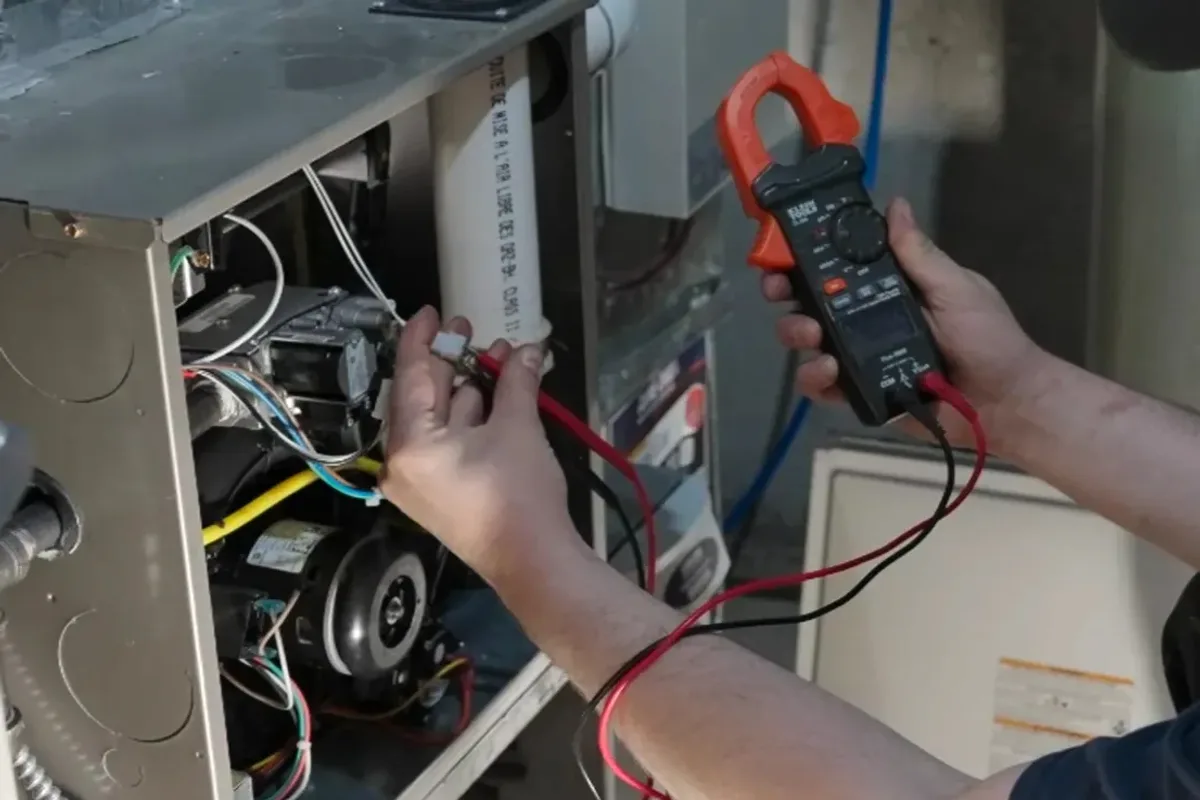
A service assessment can compare the reported symptoms with the furnace's operating sequence, visible fault indicators, airflow, and maintenance history. The model and installation details matter because ignition and pressure-control arrangements vary, including between conventional and high-efficiency equipment. Internal electrical, fuel, combustion, and safety-control checks should be left to qualified service personnel; occupants should not open or adjust those components.
Startup, ignition, and furnace control faults
Airflow, filter, burner, and blower inspection
Repair-versus-replacement considerations
Assessment and Scope
Questions for the Proposed Work
01
Separate ignition faults from airflow problems
A furnace that does not light, shuts down during startup, or cycles unexpectedly calls for checks of the ignition sequence and its related controls. Weak airflow, uneven heating, or a blower that behaves abnormally points toward a different set of possible faults, including restricted airflow or a motor issue. The sequence and any displayed fault code help focus inspection. Do not repeatedly reset a furnace that is shutting itself down.
02
Use maintenance records to interpret symptoms
Records of filter changes, prior repairs, and recent changes in noise or airflow can help distinguish a new component failure from a recurring operating problem. Inspection may include airflow, the filter, burners, thermostat response, and relevant components, with the furnace's instructions and findings guiding the work. Maintenance is not a guarantee against breakdowns, and cleaning or adjustment should be based on observed condition rather than a fixed checklist alone.
03
Decide between repair and replacement from findings
A single failed component may support repair, while repeated faults, extensive deterioration, or a safety concern can change the comparison. The furnace's age, condition, parts availability, repair history, and compatibility with existing controls and venting are relevant evidence, not a single universal cutoff. Ask what failed, how the diagnosis was confirmed, and what other findings affect the options before deciding whether to repair the unit or assess replacement.
Compare the next step
Ask for two separate answers: whether the existing furnace can operate properly and whether the completed addition can receive the heat it needs. A proposal should explain any supply and return changes, the calculated additional load, and how performance will be checked after the room is finished.
Leave burner, fuel, venting, electrical, and internal equipment work to a qualified contractor. Do not bypass a safety switch or repeatedly reset a furnace.