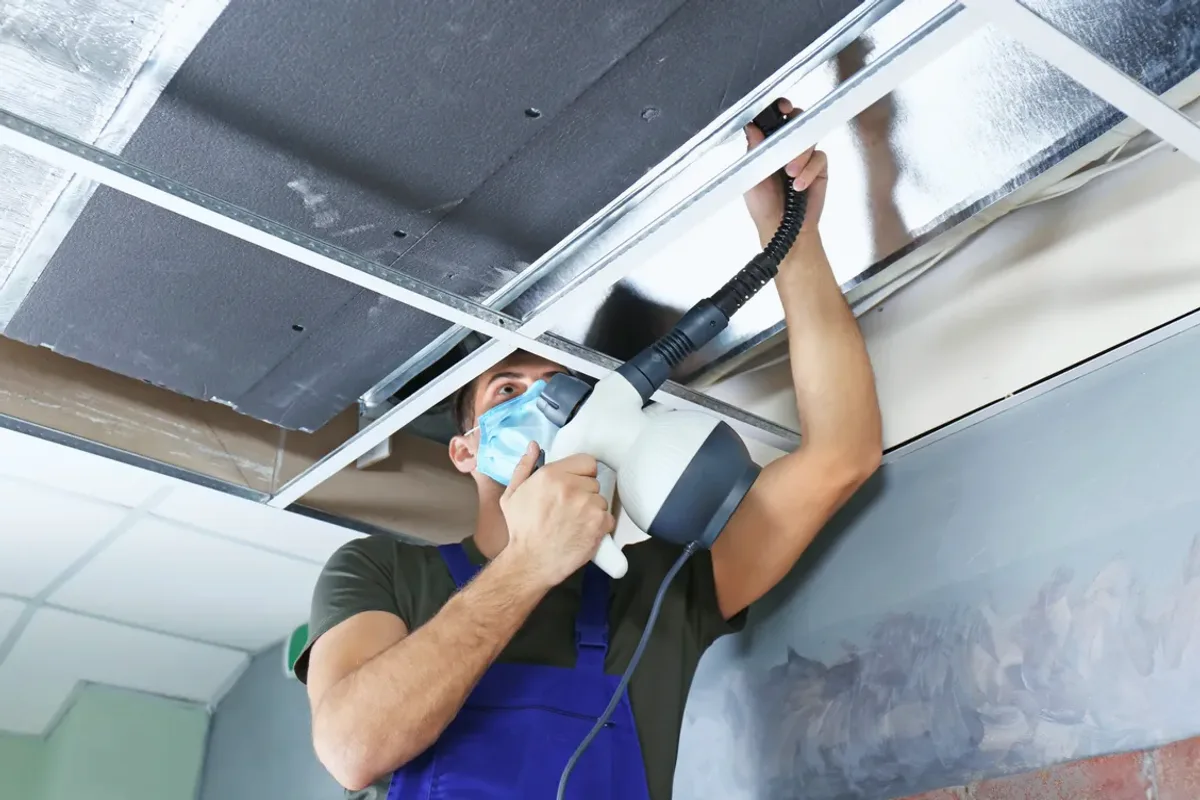
Request duct cleaning for a property in Kitchener. Include the equipment, the problem or planned work, and your location so the request can be reviewed.
What evidence suggests that duct cleaning may be appropriate?
Duct cleaning is a specific service for accumulated material inside forced-air ductwork, not a routine response to every dusty room or dirty grille. Visible buildup, debris released from registers, renovation residue, or a documented concern can help determine whether inspection is warranted. The duct layout, accessible sections, and condition of components shape the method and scope. Airflow complaints may also arise from equipment, filter, or duct leakage issues, which cleaning alone does not diagnose or correct.
An assessment should inspect representative accessible duct sections and identify the type and extent of material present before recommending cleaning. It should distinguish duct deposits from surface dust at grilles and identify whether a separate issue, such as an accessible leaking joint, is affecting airflow. The system layout and condition guide the proposed scope. Cleaning frequency should not be set automatically; inspection findings and the circumstances determine whether work is justified.
Inspection evidence and accumulated duct material
Duct sections, access, and cleaning method
Airflow complaints and separately assessed duct leakage
Assessment and Scope
Questions for the Proposed Work
01
Base the decision on observed duct conditions
A dusty register does not establish that the full duct system needs cleaning. Inspection should look for material inside accessible runs and consider whether debris is widespread, localized, or associated with a particular event such as renovation work. Images or direct observations can clarify what is present and where. If inspection finds little accumulation, that evidence may not support cleaning. The recommendation should explain the observed condition and the sections included.
02
Define what cleaning includes
Duct systems vary in layout and access, so the proposed scope should specify which runs, registers, returns, and connected accessible components are included. The method must suit the duct material and system configuration, with openings and furnishings protected as appropriate during the work. Cleaning does not itself establish that every component is contaminated or that indoor air concerns will be resolved. Ask how the method addresses the material actually observed.
03
Separate cleaning from leakage or airflow repairs
A leaking accessible duct joint is a different condition from accumulated material inside a duct and may require a separate repair decision. Weak airflow can also involve a filter, blower, coil, or system design, so cleaning should not be presented as a cure without supporting findings. Inspection can document any visible joint defect and identify which concern falls within the cleaning scope. The proposed work should distinguish cleaning from separately assessed sealing or equipment service.
Compare the next step
Agree on measures to prevent debris entering open ducts during construction and on the inspection after dust-producing work ends. If cleaning is needed, ask which new and existing branches are affected and whether equipment components also require attention. Record who restores any access openings used for cleaning.
Routine cleaning is not automatically necessary and does not guarantee health or energy benefits. Resolve moisture sources and assess damaged materials rather than treating cleaning as the only remedy.