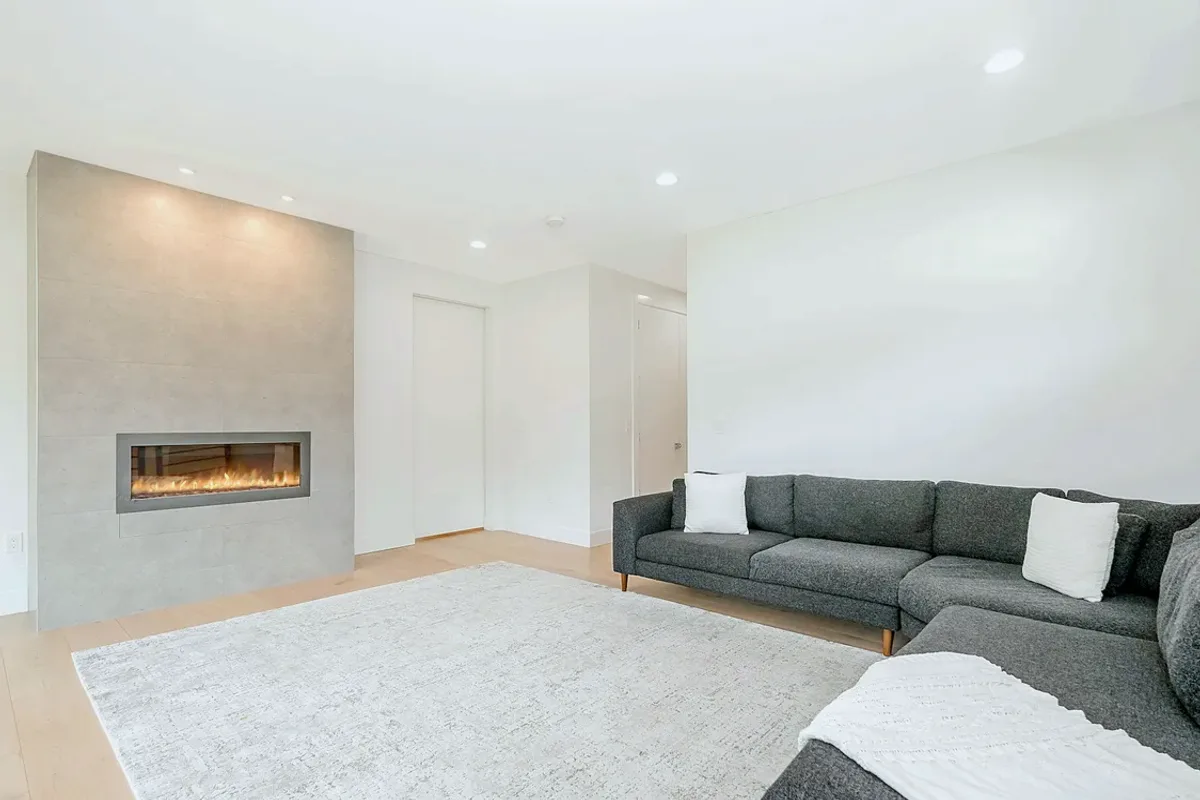
Request fireplace installation for a property in Kitchener. Include the equipment, the problem or planned work, and your location so the request can be reviewed.
What needs checking before choosing a fireplace installation?
A fireplace installation begins with the appliance type and the location where it is proposed, not with an assumption that an existing opening is suitable. Gas, electric, and wood-burning models have different connection, clearance, and venting requirements. The assessment should consider the firebox or enclosure, supporting surfaces, available route for venting where applicable, and the manufacturer's installation instructions. If an existing fireplace is involved, its condition and dimensions affect whether an insert, replacement appliance, or different installation approach is appropriate.
Assessment identifies the proposed appliance and checks the opening, surrounding materials, clearances, connections, and vent route where required. An existing chimney or vent should be evaluated for compatibility and condition rather than presumed reusable. The model's instructions and site findings determine installation scope. Gas connections and combustion venting require appropriate professional handling; an electric model has different connection and enclosure considerations.
Gas, electric, and wood-burning appliance distinctions
Existing opening, firebox, and vent assessment
Model-specific connections, clearances, and installation scope
Assessment and Scope
Questions for the Proposed Work
01
Choose an installation approach for the appliance type
A gas fireplace, electric unit, and wood-burning appliance cannot be treated as equivalent choices. Gas equipment requires assessment of its fuel connection and venting arrangement; wood-burning equipment depends on a suitable firebox and vent path. An electric installation has its own electrical and enclosure requirements. The selected model and proposed location determine which checks apply, so the installation plan should start with those details rather than appearance alone.
02
Check an existing opening and vent before reuse
Where an existing opening is being reused, its dimensions, condition, surrounding materials, and compatibility with the chosen appliance affect the work. A chimney or vent should be assessed for suitability for that specific model; its presence does not establish that it can serve a new unit. Damage to a firebox, appliance, or vent can change the scope. Findings help distinguish an insert installation from repairs to the opening or a different design.
03
Plan connections and installation requirements
The installation details depend on the appliance instructions and site conditions, including clearances, support, finishing, and required connections. If a gas model is selected, fuel and vent arrangements need assessment; if an electric model is selected, the electrical requirements need review. Wood-burning models require attention to the firebox and vent path. Discuss the documented requirements and any site work that affects the proposed installation before selecting equipment.
Compare the next step
Decide whether the fireplace is primarily a visual feature or an actively used room heater. Ask how the selected output suits the addition and where the vent can terminate. Coordinate appliance clearances with planned doors, windows, shelving, and seating before committing to the enclosure dimensions.
Use a qualified contractor for the chosen appliance and any fuel, venting, or electrical work. Do not alter the appliance or defeat its controls. Confirm its manufacturer operating requirements before relying on it for whole-home or outage heating.