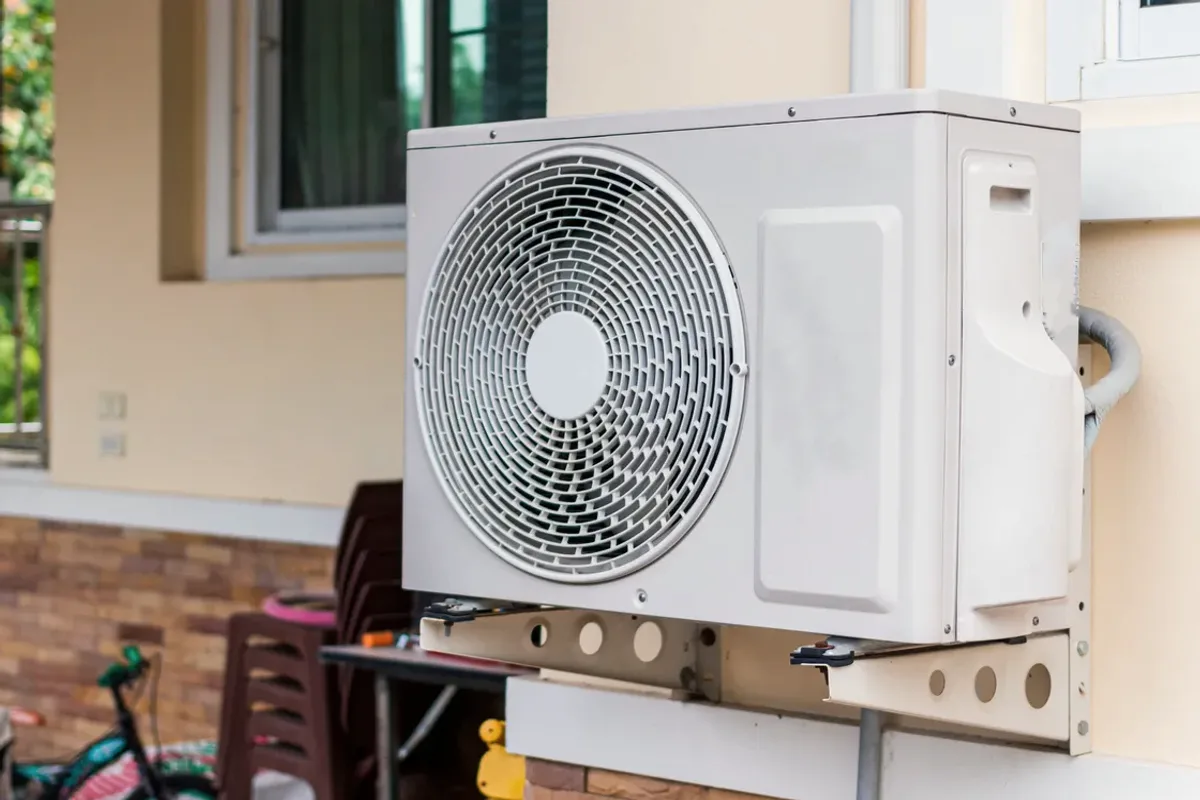
Request heat pump repair & installation for a property in Kitchener. Include the equipment, the problem or planned work, and your location so the request can be reviewed.
How can I tell whether a heat pump needs repair or replacement assessment?
A heat pump can show a problem in heating, cooling, airflow, controls, or the refrigerant circuit, and the same symptom can have different causes. Note the operating mode, the areas affected, any unusual noise, and whether the fault is continuous or intermittent. Inspection should identify the failed part and the condition of related components before repair is chosen. If replacement is being considered, equipment selection and compatibility with existing controls and distribution are separate installation questions.
Assessment compares the reported symptoms with operation in the affected mode, airflow, controls, electrical components, and refrigerant-circuit findings. The model, repair history, and any system-specific operating instructions help interpret the evidence. Installation assessment additionally considers the property's existing distribution and control compatibility. Internal electrical, refrigerant, and pressure-control work is not occupant maintenance and should be handled by appropriate service personnel.
Heating and cooling mode diagnostics
Airflow, electrical components, and refrigerant-circuit faults
Heat pump replacement and system compatibility
Assessment and Scope
Questions for the Proposed Work
01
Diagnose heating and cooling faults by operating mode
A system that fails to heat may have a different cause from one that fails to cool, even if both involve a shutdown or uneven output. The inspection should establish which mode is affected and examine relevant controls, airflow, and electrical components. A contactor fault, for example, is not the same diagnosis as a refrigerant-circuit problem. The observed sequence and equipment readings help support a repair decision rather than guess from the symptom.
02
Use maintenance findings without assuming a fault
A restricted filter or airflow issue can affect operation, while component wear or a refrigerant-circuit fault calls for a different response. Inspection findings and manufacturer instructions should determine any maintenance work; routine service should not be described as a guarantee against failures. Records of prior repairs and changes in operation can reveal whether a problem is recurring. Occupants should not handle refrigerant, internal electrical parts, or pressure and safety controls.
03
Assess replacement as an installation project
Replacement becomes a separate option when the repair scope, equipment condition, or recurring faults make comparison appropriate. Assessment should consider the system's age and history alongside the confirmed fault, parts availability, controls, and existing heat-distribution arrangement. A proposed heat pump must be suited to the property's requirements and compatible with relevant equipment. Ask for the findings behind both repair and replacement options rather than relying on a universal age rule.
Compare the next step
Have the designer assess the addition and original building together, then explain how the chosen system reaches each space. Ask what equipment is retained, how backup heat will operate, and whether the quotation includes changes to ducts, power, or controls needed for the finished layout.
Cold-climate capability does not prove that one model covers every home heating load. Ask how the selected equipment and supplementary heat meet the actual design requirements.