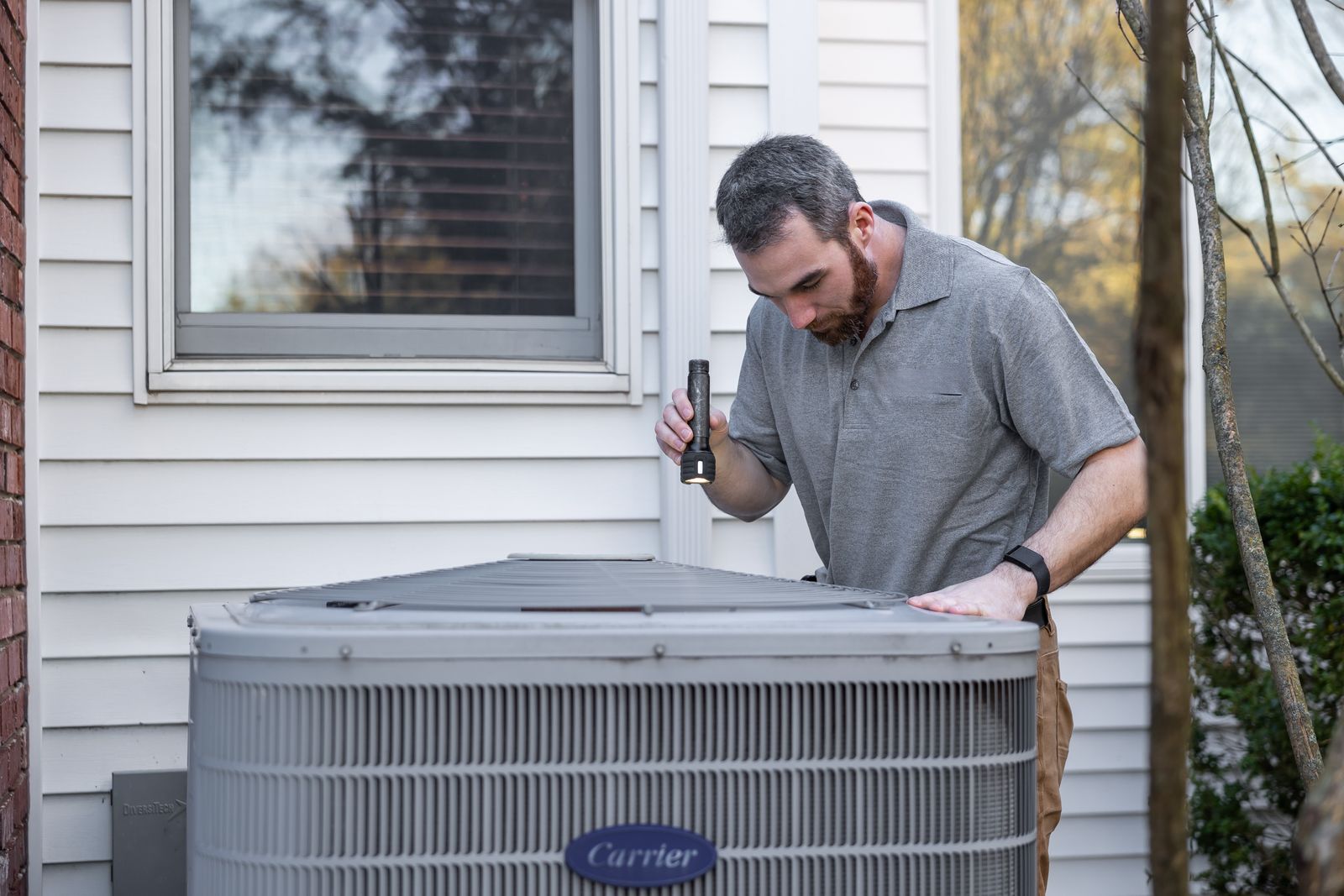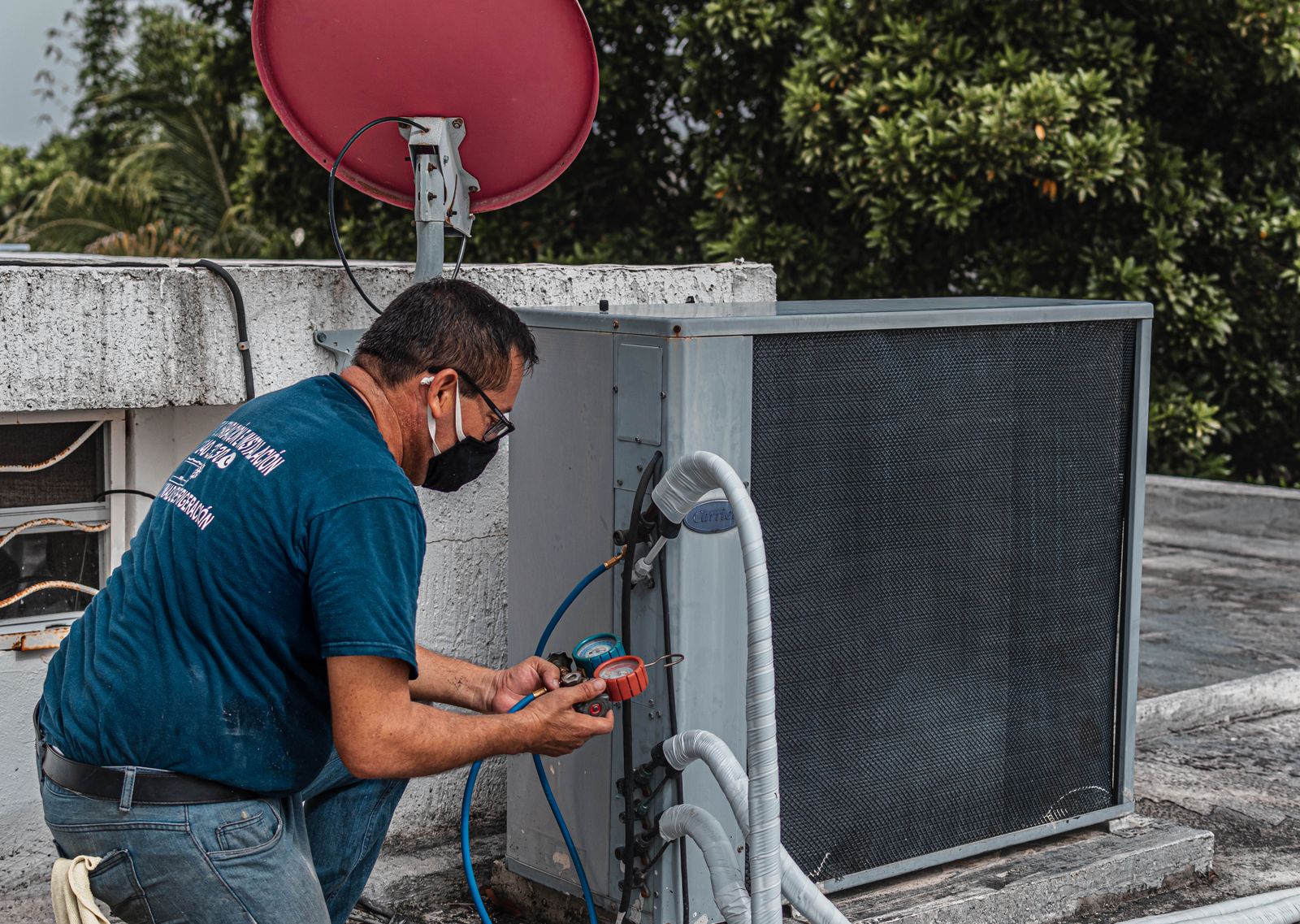
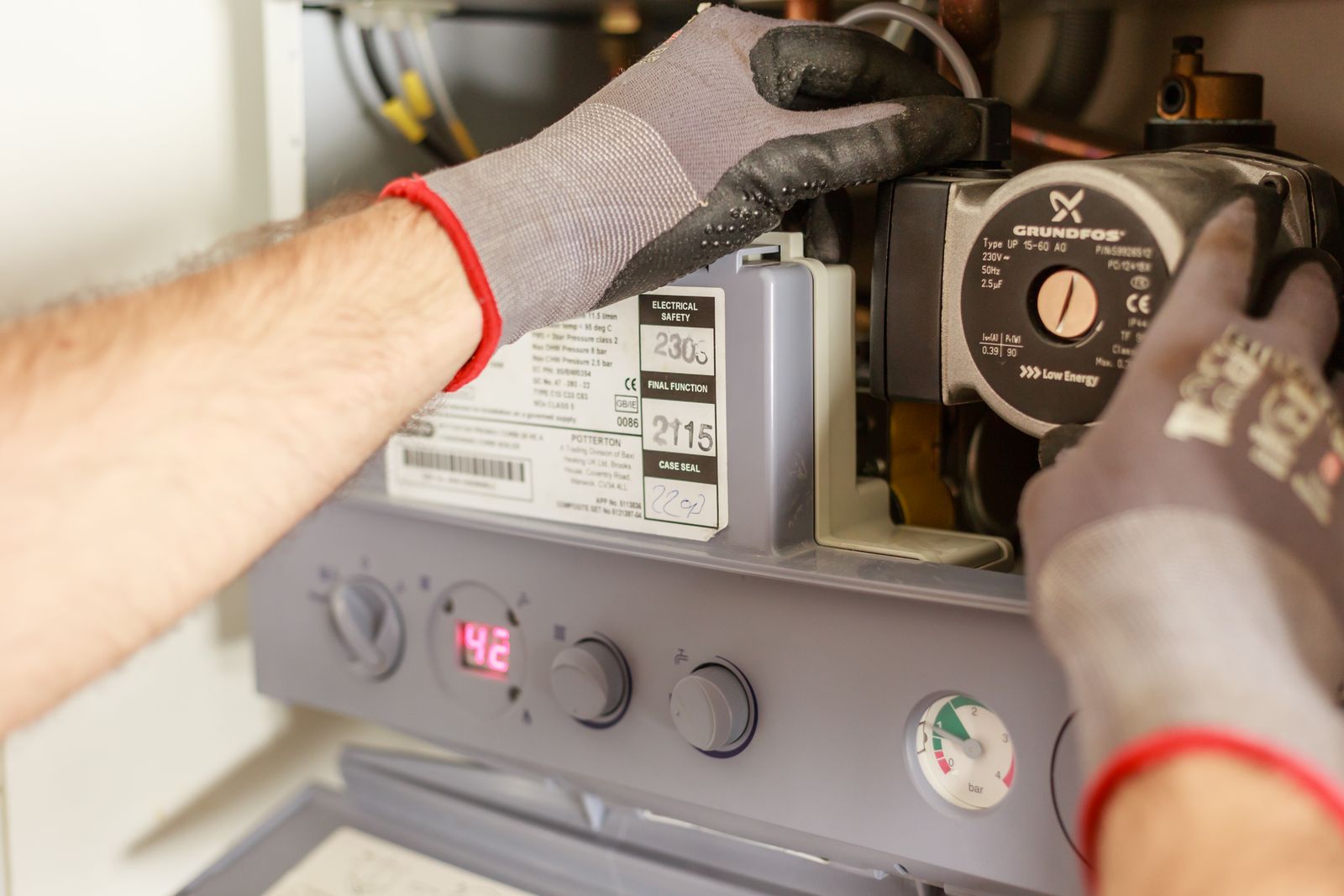
Most furnace problems are comfort problems. A few are safety problems, and knowing the difference is the whole game. This safety-first rundown covers the five signs Kitchener technicians treat seriously, from grinding bearings to a pilot flame burning the wrong colour, and how fast each one deserves a response.
The Bill Notices Before You Do
Your gas bill is an efficiency report. Matched against the same month last year, a usage jump with no weather change means the furnace is working harder for the same warmth, and the usual causes are a clogged filter, dirty burners, leaky ducts or aging parts. Cycling habits confirm it. A furnace in good shape runs steady, measured cycles. One that starts and stops every few minutes is short cycling, often from restricted airflow or a thermostat fault, and every extra start burns fuel while wearing the ignition system. For homeowners in Kitchener, the bill and the behaviour almost always tell the same story.
What Your Furnace Is Saying by Sound
A furnace that has found its voice. Sounds map onto parts better than most homeowners expect. A high screech or grind is metal on metal, typically bearings in the blower motor or a belt at the end of its life, and it should be checked before the motor pays the price for the delay. A rattle is something loose, from an access panel to a duct joint. Rapid clicking at startup means the system is struggling to light, which often traces to the igniter or flame sensor.
Airflow Problems Wear a Disguise
It rarely announces itself as an airflow problem. Homeowners describe cold rooms, warm upper floors, or a furnace that runs forever, and the cause is often the same thing: air that cannot get from the furnace to the rooms. Leaky or blocked ducts, a clogged filter and a blower motor past its prime all cut the stream at the registers. Walk the house on a cold evening and feel each vent. Weak flow in the coldest rooms is the clue that ties the symptom to the fix, and it points straight at the ductwork or the blower.
One sign is a clue. Two together is a plan: call Kitchener AC Repair before the season puts your furnace under full load, and you choose the timing instead of the weather choosing it for you. That single decision is often the difference between a routine service call and a midnight no-heat emergency.
The Sign That Should Stop Everything
A yellow pilot flame. Blue means clean combustion. Yellow or orange means fuel is not burning completely, a combustion problem with a carbon monoxide risk attached, since a flame that cannot finish its burn can leave CO where it does not belong. Do not wait for a convenient appointment window: stop using the furnace and get a licensed technician out promptly. Test that carbon monoxide alarms near the sleeping areas work, treat any alarm event as a leave-the-house situation, and let a pro verify the burner, the venting and the heat exchanger before the system runs again.