When the air drifting from your vents turns thin and weak, something upstream is throttling it. The good news is that weak airflow almost always has a traceable cause, and most of them are straightforward to fix once you know where to look, starting with the parts of the system you can see without tools.
The Job a Correctly Sized AC Has to Do
Sizing an air conditioner is a calculation, not a guess. The right unit cools the house on a hot afternoon and dehumidifies it at the same time, because moisture removal is half of what the equipment does. On humid Ontario days the workload roughly doubles: the system must lower the temperature and wring water out of the air before either job reads as finished.
A correctly sized unit runs long cycles on those days and then shuts off. If yours never shuts off, or the house stays sticky regardless, the equipment and the home both deserve a closer look.
Age, Size, and the Ceiling They Set
An aging unit. As a system gets older, its compressor and coils slowly lose efficiency, so it delivers less cooling on the hottest, most humid days, exactly when you need it most.
An undersized system. If the unit was never matched to the home's cooling load, it falls behind on peak afternoons and never catches up. Sizing can overshoot in the other direction, too: an oversized unit short-cycles, cooling in quick bursts that leave the air cold but clammy because the system never runs long enough to dry it.
Refrigerant, the Envelope, and the Numbers
Low refrigerant. Removes the working fluid that carries heat outside, so every cycle delivers less cooling. Poor insulation and air leaks. Add cooling load the equipment was never meant to carry, often making a healthy unit behave like a failing one.
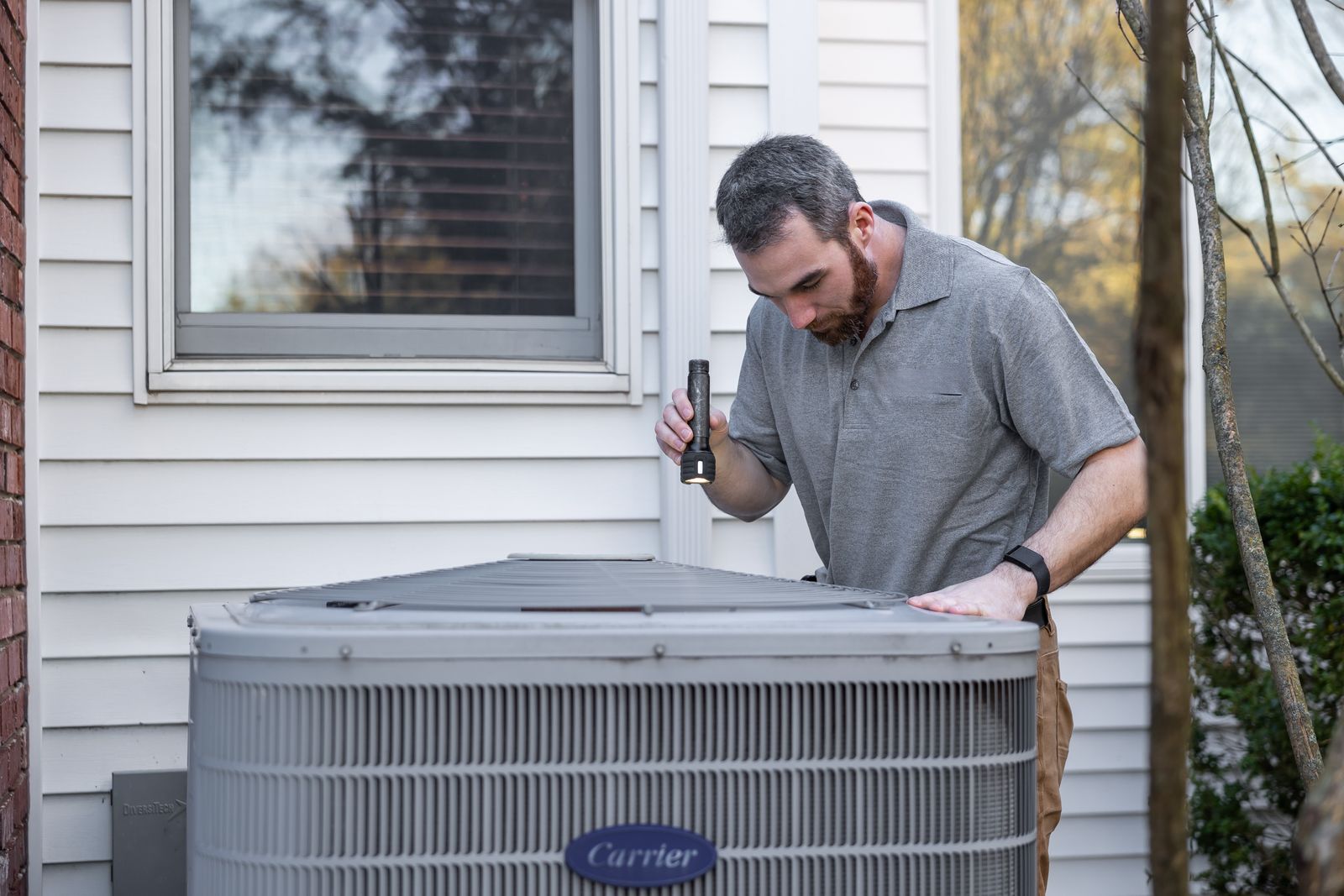
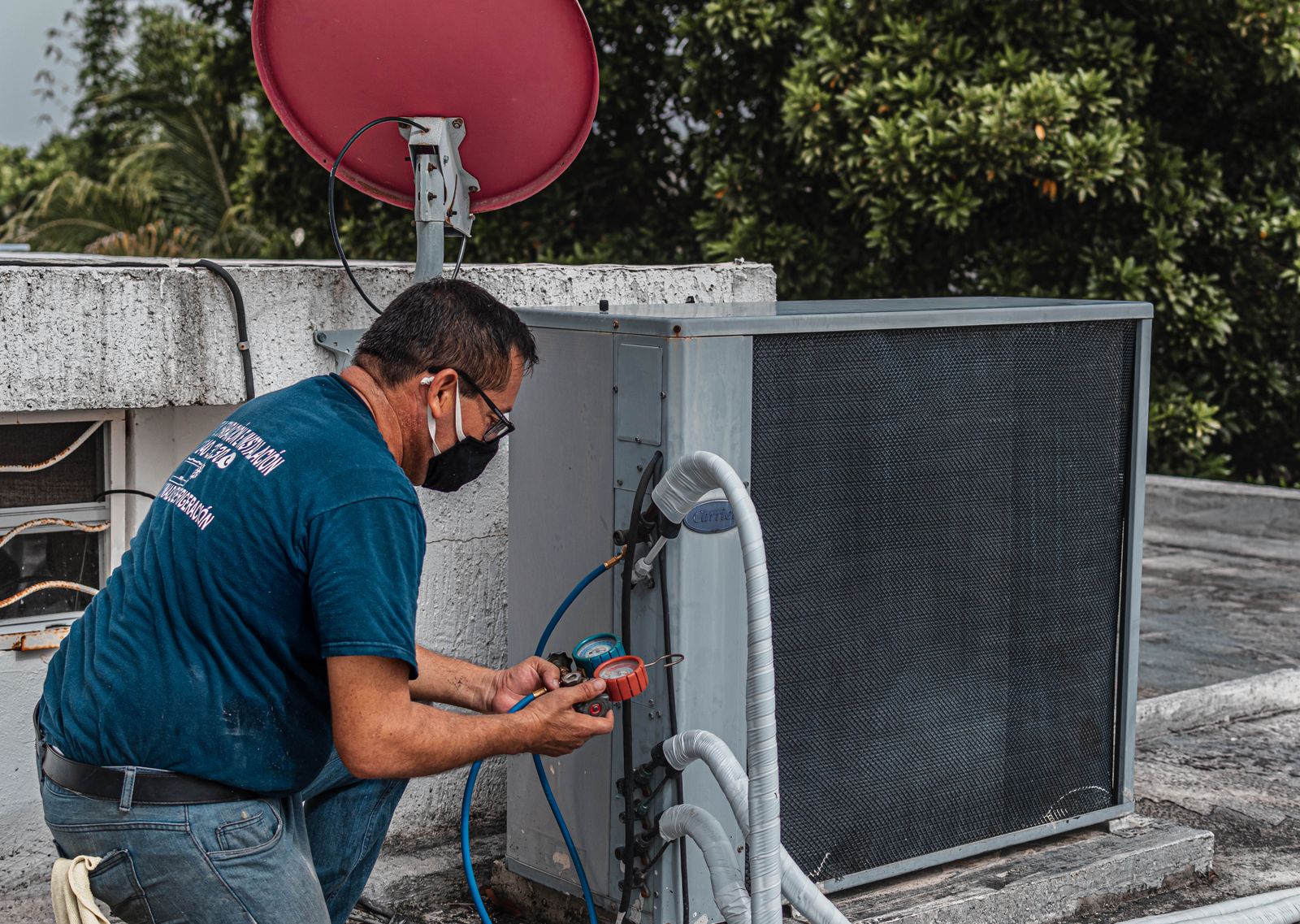
A Kitchener AC Repair service visit tests the system under real conditions: measuring airflow, verifying the charge, and comparing the unit's capacity against the home's actual cooling load. That last step settles questions with numbers instead of opinion, and it often costs less than a single premature repair.
The Fixable Problems That Look Like a Failing Unit
A clogged filter. Starves the system of air. Dirty coils. Insulate the very surfaces meant to transfer heat. A blocked condenser. Traps heat around the outdoor unit instead of letting it escape. Each of these mimics the symptoms of a worn-out or undersized machine, and each costs far less to address than a replacement you might not actually need. Ruling them out first is the cheapest diagnostic step in cooling.